Why I left journalism (for now)
I asked my reporting to answer a dangerous question: Does my life matter?
I walked away from a decade-long reporting career because I could no longer see my future beyond the next assignment.
Reporting gave me purpose, a reason to connect with strangers and access corners of the world most people never see. I mistook being good at something for a responsibility to put it above everything else. Only after leaving did I realize that I never had a healthy relationship with journalism.
I quit my job in the spring and spent the last four months earning an EMT license. I wanted work with clearer boundaries and long-term stability. I’m not at liberty to say much more about this new experience yet, except that it’s helped me understand how I burned out.
My interest in newspapers started with a sun-bleached collection of Sunday funny pages my grandmother stacked by her fireplace. I discovered the rest of the paper could explain the world around me. My father served in the military, so my family moved every few years. I oriented myself to unfamiliar places with newspapers and long bicycle rides.
I was a voracious reader by the time my family settled in Michigan. I consumed a bowl of Frosted Flakes and the Battle Creek Enquirer every morning before school. The Enquirer’s page count shrank as I grew up, especially after its parent company Gannett cut the staff in half. The household subscription ended after I left for college in 2012.
Choosing to become a reporter during a late chapter of the industry’s decline was either an act of defiance or naivety. Not even my college professors were optimistic about the future of newspapers. Regardless, they impressed upon me the important tradition of the fourth estate.
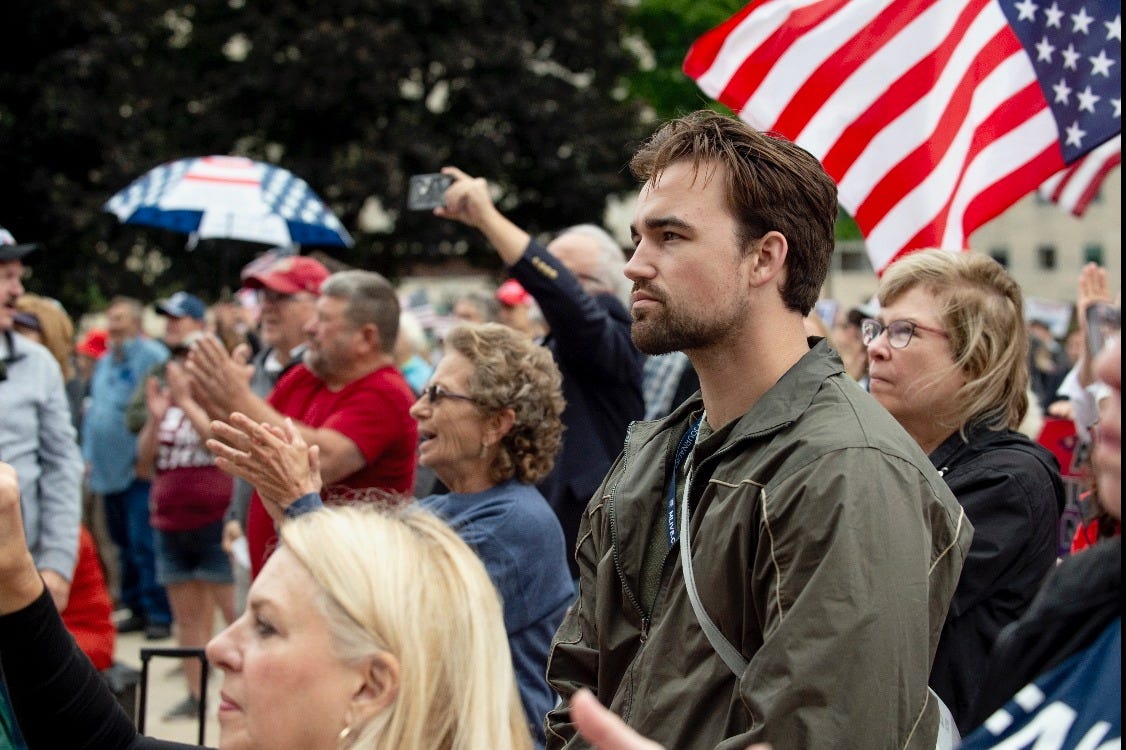
Government power is derived from the consent of the governed. You can’t consent if you’re not informed. I looked at reporting as a patriotic service to our democracy.
My first newsroom experience was an internship at The Morning Sun in Mount Pleasant. I learned from Linda Gittleman, a no-nonsense professional with sharp nails and a cigarette-stained keyboard.
On my first day, Linda drove me to a toxic burn pit that caused one of the worst pollution crises in the country. We passed a public park littered with stiff corpses of poisoned birds. Linda later introduced me to locals who brought sweet cookies and hard data to meetings with environmental regulators.
Linda showed me the value of stubbornly watching communities that didn’t get much outside attention. After graduating, I moved to Kalamazoo. I had a full-circle moment when residents of nearby Parchment were told to stop drinking their tap water. I uncovered records connecting the contamination to the shuttered paper mill, but there was no corporate entity left to hold accountable.
Michigan became a political battleground after Trump smashed the Midwest “blue wall” in 2016. I wanted to understand the moment, so I landed a job covering the 2020 presidential election. I traveled 30,000 miles in a rattling Chevy Trax that year watching local affairs become a national spectacle.


It was a bad year. My grandmother died from COVID-19 complications and the cozy house she once collected newspapers in fell into disrepair.
After that historic shitshow, I needed to touch grass. I had ended up far from the miniature dramas unfolding in local government meetings. Almost nobody wants to spend hours in those mundane fluorescent-lit rooms. That became my niche in Detroit.
I joined a newly-founded nonprofit newsroom dedicated to serving the information needs of residents. I wanted to stand in a gap left by Detroit’s diminished legacy newspapers, so I created a newsletter meticulously tracking the City Council.
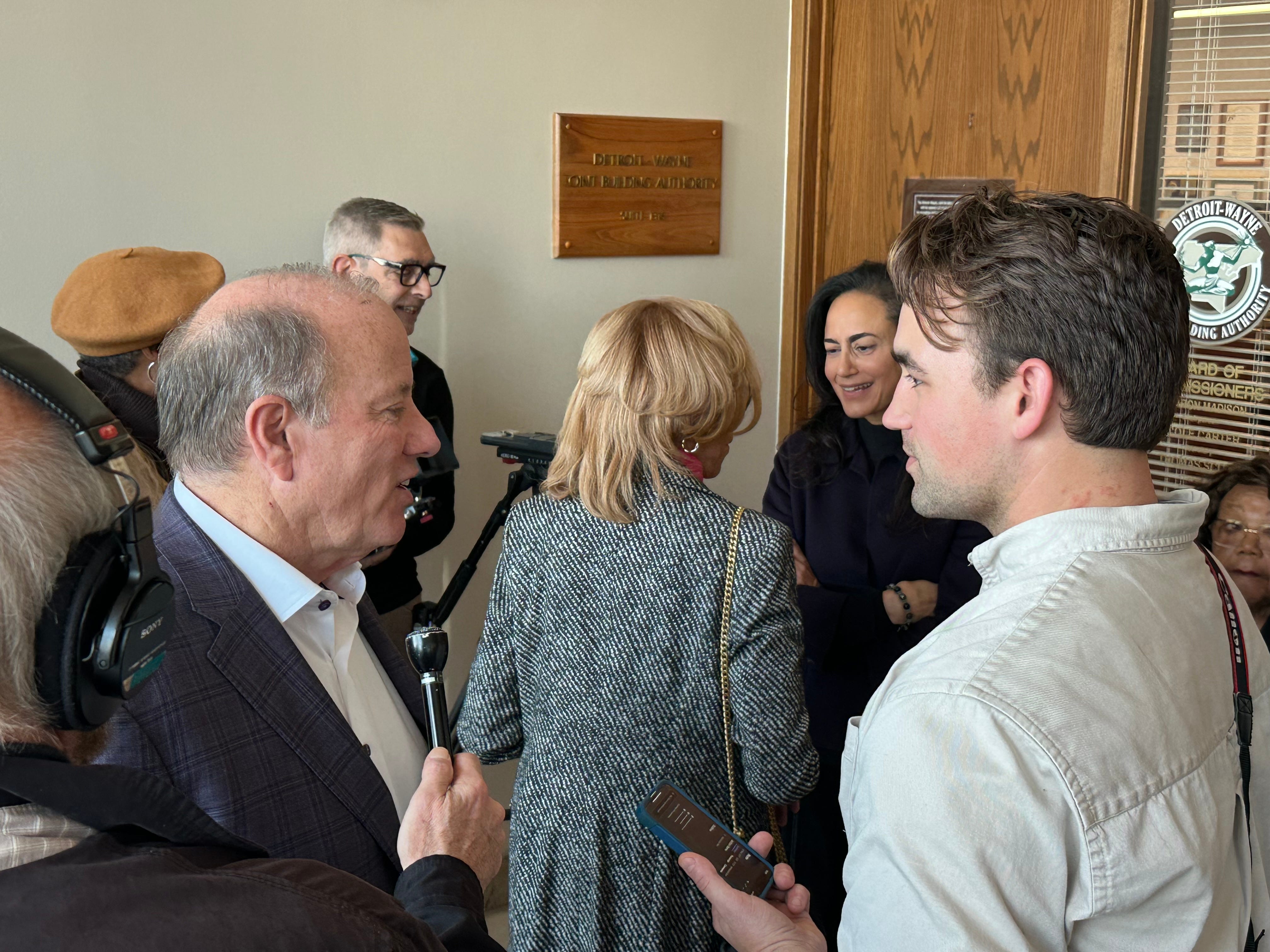
Four years on the beat brought awards and opportunities to reach audiences through television, radio and podcasting. More importantly, I ran into people on the street or at my neighborhood coffee spot who said the work helped them understand how decisions were being made. I had a role within the community. Building a relationship with neighbors and earning the trust of readers was the most rewarding experience of my career.
Every choice to cover something is a choice to ignore something else. Paying attention generated more leads, more documents and more questions than I could realistically pursue. Missed opportunities to strike at deeper problems weighed more in my mind than the stories I was able to break.
Other reporters described my work ethic as machine-like. I ground out long days, skipped meals and slept poorly. I let myself feel like a martyr. I treated self-neglect as evidence of dedication.
Nobody asked me to take everything so seriously. I became unsatisfied due to a mythology I built around my identity.
My first name means “messenger.” I was voted “most likely to change the world” by my peers in high school. I was unable to look at reporting as a job. It was how I measured whether my life had value.
I relied too much on the validation of strangers. I understood that success shouldn’t be measured by clicks or retweets, but I watched the numbers anyway, telling myself that reporting no one sees isn’t worth much either. Attention is currency.
Unfortunately, two things are true: Platforms optimized for emotional manipulation don’t reward an incremental effort to build civic engagement, and landing a hit tweet feels dangerously good. I became conflicted about whether to stay focused on city politics or seek “bigger” stories.
I began to question whether my reporting ever materially changed anything. The desire was probably misplaced. Journalism rarely produces closure. We put up a mirror to the world and have little control over how people react to the reflection.
All this tension was poison for my mental health. It also started to affect my body.
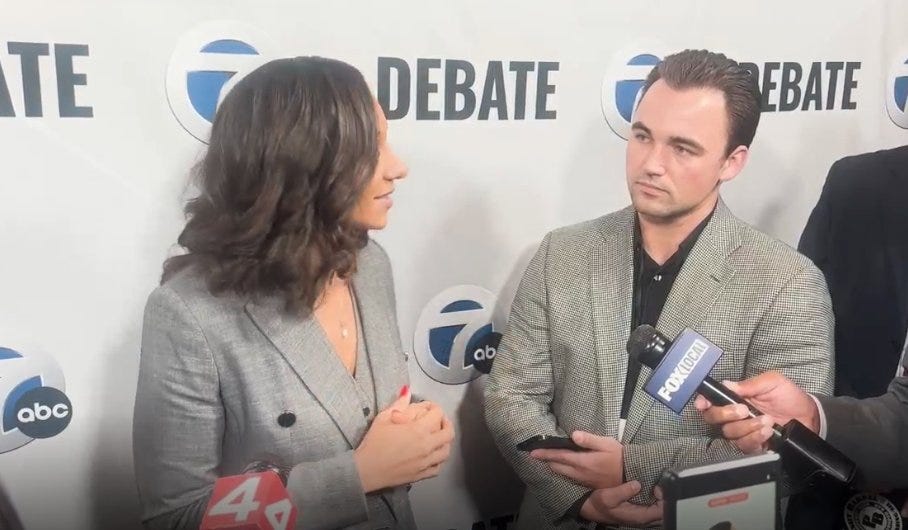
By the conclusion of Detroit’s 2025 mayoral election, I was living with a sharpness in my chest that rarely subsided. My first physical in at least five years revealed that I had developed hypertension.
My doctor explained my blood vessels are like a garden hose running at full blast. Eventually a weak spot can rupture. Left unchecked, it can cause a heart attack or stroke.
I picked at my nails, alone in my doctor's office, wondering whether I was killing myself.
The diagnosis scared my wife, whose father had recently died from stroke complications. She helped me finally acknowledge how destructive my mindset had become. I’m grateful that she didn’t let me resign myself to the situation.
Here’s the thing I was afraid to confront.
I thought I became a reporter because I wanted to help people, but I grew unfulfilled seeking proof that I mattered.
I wanted to become the gray-haired veteran in the newsroom, like Linda. Instead, I burned out while fretting over whether what I was doing meant enough. My days were creeping along at a petty pace.
Journalism was never going to give me the catharsis I sought, and it was wrong to attach such stakes to it.
Reporters are said to write stories. I never liked the term. It implies a level of fiction. My purpose was to publish useful information, ask powerful people hard questions and amplify the voices of regular folks. But I was telling myself a story: That my dedication to “journalism” would transcend all other problems.
Many reporters I know struggle to find good job opportunities and fair pay as the industry spins out. My decision to step back from reporting was about self-preservation. I needed to confront the unhealthy ways I bound my identity to covering the news.
So I pressed pause. Hopefully, with some distance, I can find a way back to reporting on better terms.
I don’t know exactly what this blog will become. For now, it’s a place to write about things that interest me, at my own pace and with no big expectations. Writing hasn’t been fun for a while now. I’d like to find that excitement again.
All I can really promise you is honesty. Cheers.